.jpg)
Lords of the caravan roads
The Tuareg are the southern Berbers — Amazigh people who, as the Sahara dried, moved south with the camel and made the deep desert their own. For more than a thousand years they ruled the trans-Saharan trade, guiding caravans of salt, gold, dates and — in a darker chapter — enslaved people between the Maghreb and the great Sahelian cities of Timbuktu, Gao and Agadez. They knew the waterholes and the stars as a sailor knows the sea, and a single salt caravan to Bilma might run to thousands of camels.

The veil, the tent, and the line of the mother
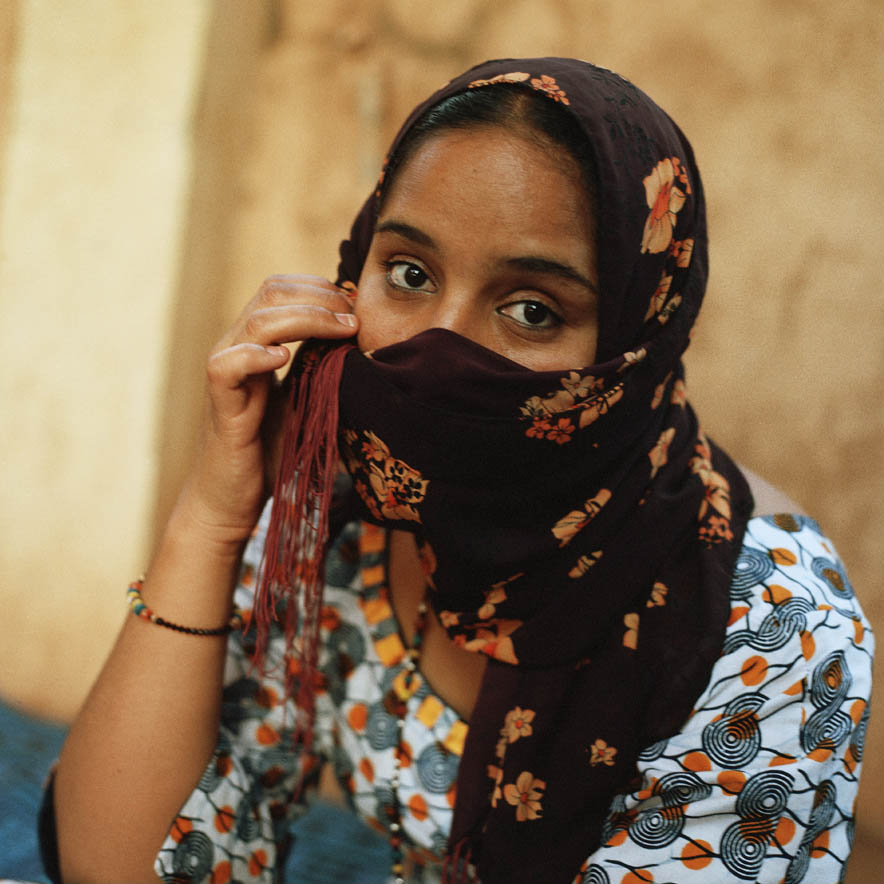
Tuareg society is famously inverted to outside eyes: it is the men who veil the face with the indigo tagelmust, while women go unveiled, own the tent and much of the herd, and command great respect. Descent and the inheritance of camps run in important ways through the mother’s line. Society is layered — noble warriors, vassal herders, the inadan smith-artisans who hold the secrets of metal and song, and, historically, servile classes — all bound under the amenokal, the elected chief of a confederation.

Drought, rebellion, and a music heard worldwide
The borders drawn at independence cut the Tuareg homeland between five states, and the terrible droughts of the 1970s and 1980s drove many into exile and the refugee camps of Libya and Algeria. From that displaced ishumar generation came assouf — the electric ‘desert blues’ of bands like Tinariwen, who first picked up guitars in the camps. Their music carried the Tuareg cause and longing across the world, even as rebellions and instability continued to shake Mali and Niger.
What is kept alive
.jpg)


A long thread
Hear it for yourself


Threads across the graph
Gnawa
North African neighbours whose all-night lila, like the tindé, drums the spirits out and heals the afflicted.
Sámi
Herders of a harsh frontier whose suppressed language and song, like Tamasheq, are now sung again with pride.
Mongolian
Fellow nomads whose long-song, like assouf, stretches longing for a vast homeland across the whole horizon.
Common questions
Who are the Tuareg?
The Tuareg are a Berber (Amazigh) people of the central Sahara and Sahel, who call themselves the Kel Tamasheq — ‘those who speak Tamasheq’. Around two to three million of them live across Mali, Niger, Algeria, Libya and Burkina Faso, traditionally as camel pastoralists and caravan traders. They are famed for the men’s indigo veil, their ancient Tifinagh script, their silverwork and their desert music.
Why are the Tuareg called the ‘blue people’?
Tuareg men wear the tagelmust, a long veil-turban that covers the head and face, traditionally dyed a deep indigo. The dye was pounded into the cloth rather than fixed with water, so it rubbed off onto the skin, giving it a bluish sheen — which is how the Tuareg came to be nicknamed the ‘blue people’. Unusually, it is the men who veil, not the women.
What language and script do the Tuareg use?
They speak Tamasheq (also Tamajaq or Tamahaq depending on the region), a Berber language of the Afroasiatic family. It is written in Tifinagh, a geometric alphabet of dots, lines and circles descended from the ancient Libyco-Berber script — one of the oldest writing systems still in use, kept alive for centuries chiefly by women.
Where do the Tuareg live, and how do they live?
Their homeland is the central Sahara and the Sahel south of it, split by colonial borders between Mali, Niger, Algeria, Libya and Burkina Faso, with heartlands around Agadez, the Aïr, the Ahaggar and the Adrar des Ifoghas. Traditionally they herd camels, sheep and goats and run the salt and trade caravans; today many also live in desert towns, while drought and conflict have driven others into exile.
How can I help preserve Tuareg culture?
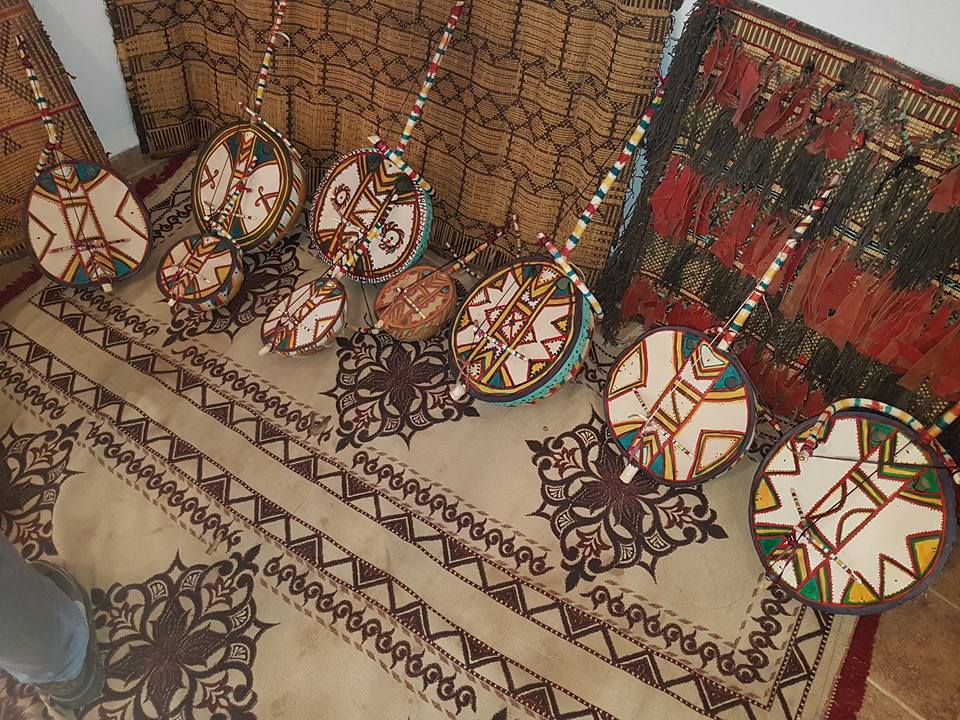
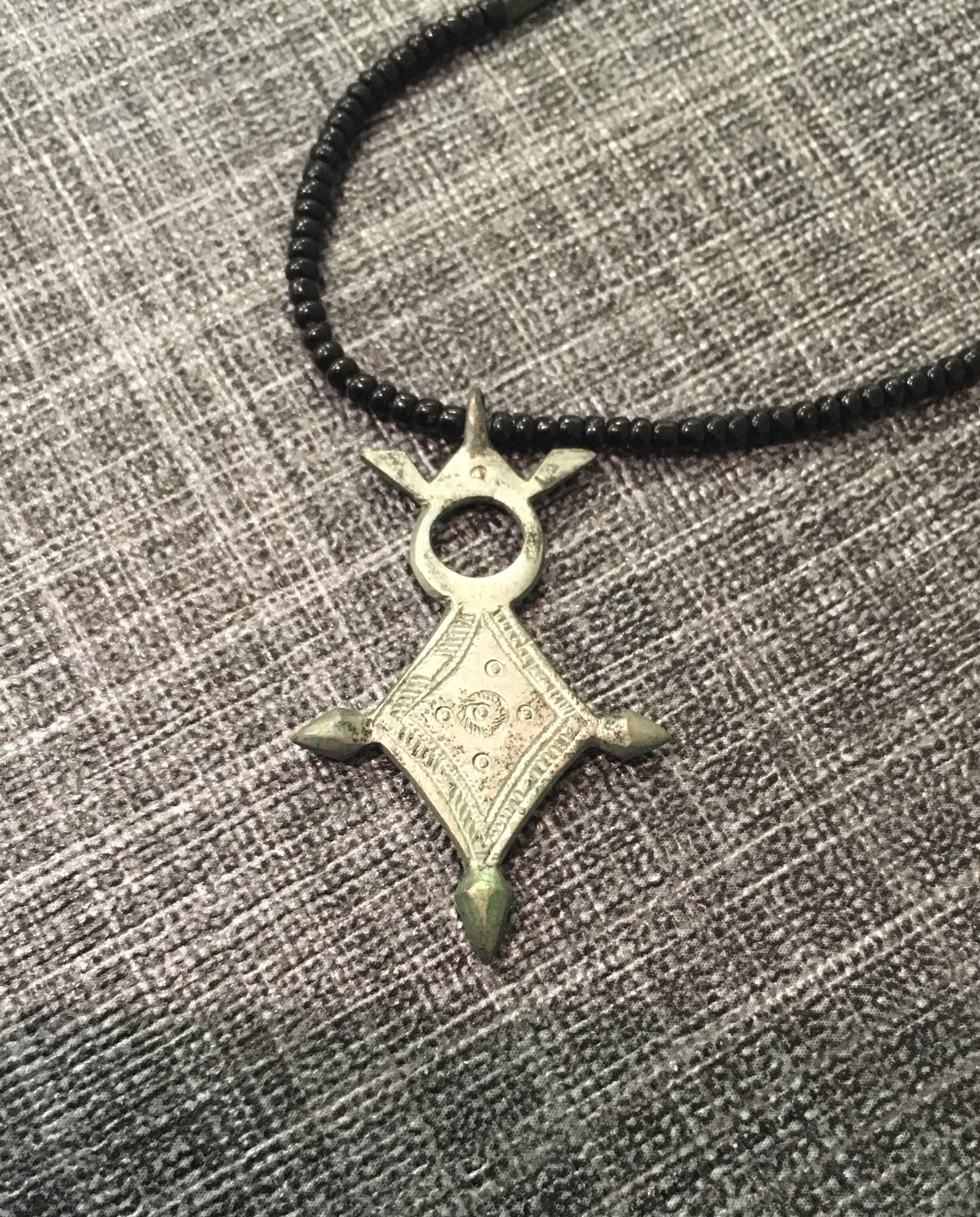
Support Tuareg-led cultural associations and artisan cooperatives — especially the inadan silversmiths and the women who keep the imzad and Tifinagh alive — and buy crafts such as the Cross of Agadez directly from their makers. On FirstCiv you can help document songs, poetry and crafts with the consent of the keepers; every recording is minted as a community-owned Heritage Tablet, with royalties flowing back to the people of origin.
The recordings on this page are openly-licensed reference material, credited to their sources. The Tuareg are named as origin; if this heritage is yours, you can claim this page, correct it, or ask for anything to be removed. Photographs & media: Wikimedia Commons (public domain / CC BY / CC BY-SA).