From chieftaincy to kingdom
The amaZulu are an Nguni people, part of the great southward movement of Bantu-speaking farmers and herders who reached south-east Africa some two thousand years ago. For most of that history 'Zulu' named only a small clan among many. In the early 1800s the warrior-king Shaka kaSenzangakhona welded these chieftaincies into a single kingdom through a reorganised army and the short stabbing spear, the iklwa — a transformation that reshaped the whole region. The Zulu kingdom he built would defeat a British column at Isandlwana in 1879 before being broken in the war that followed.
.jpg)
The word made visible
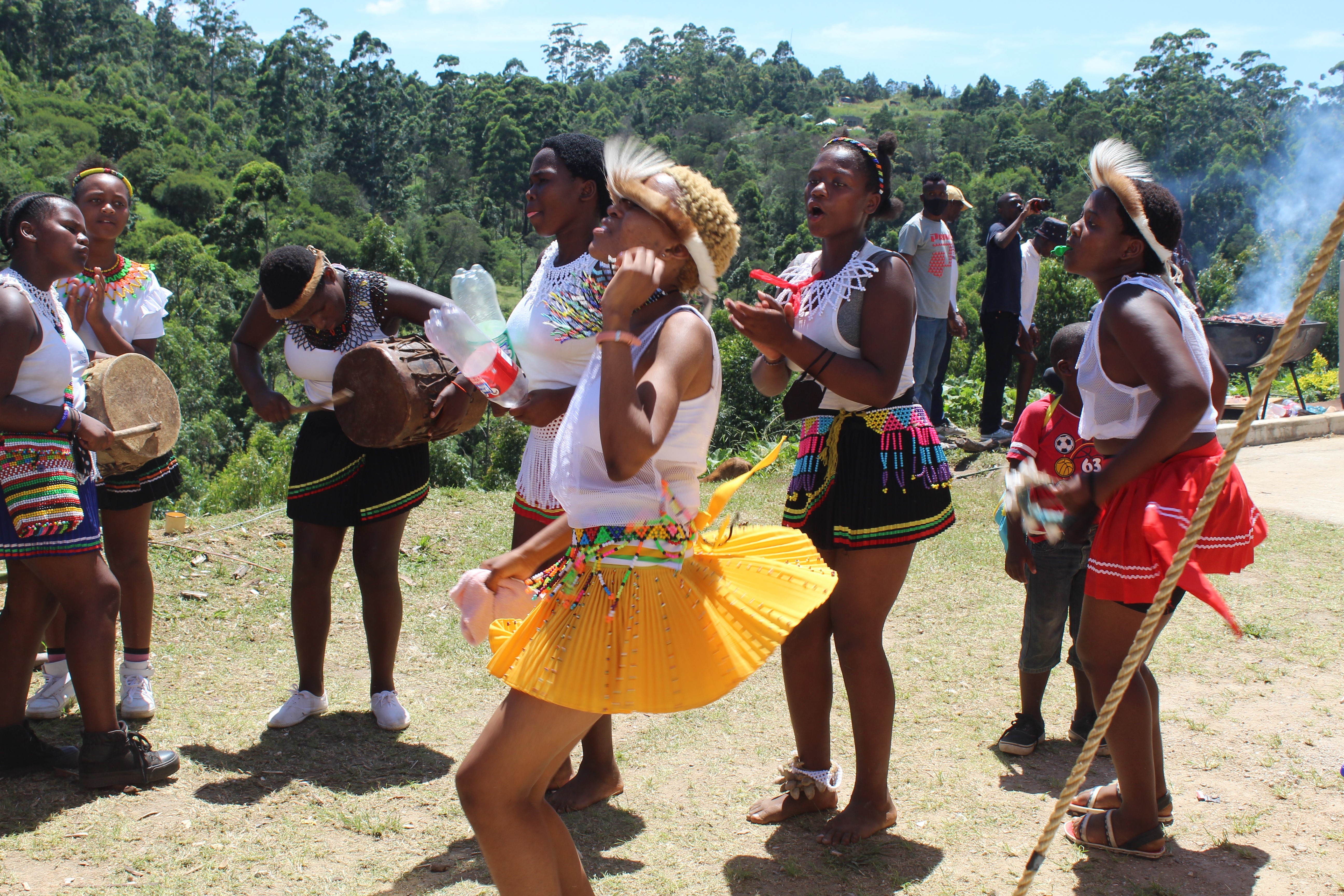
Zulu culture lives in performance and pattern. The imbongi — the praise-singer — recites a chief's izibongo in a rush of metaphor that is history, flattery and warning at once. Indlamu stamps the earth in hide regalia; isicathamiya harmonises softly on the toes. And in beadwork the amaZulu built an entire written language of colour: an ucu, a beaded 'love-letter', carries a message in its hues — white for love, red for longing, blue for faithfulness — read fluently by those who know the grammar of the beads.

A living culture, now
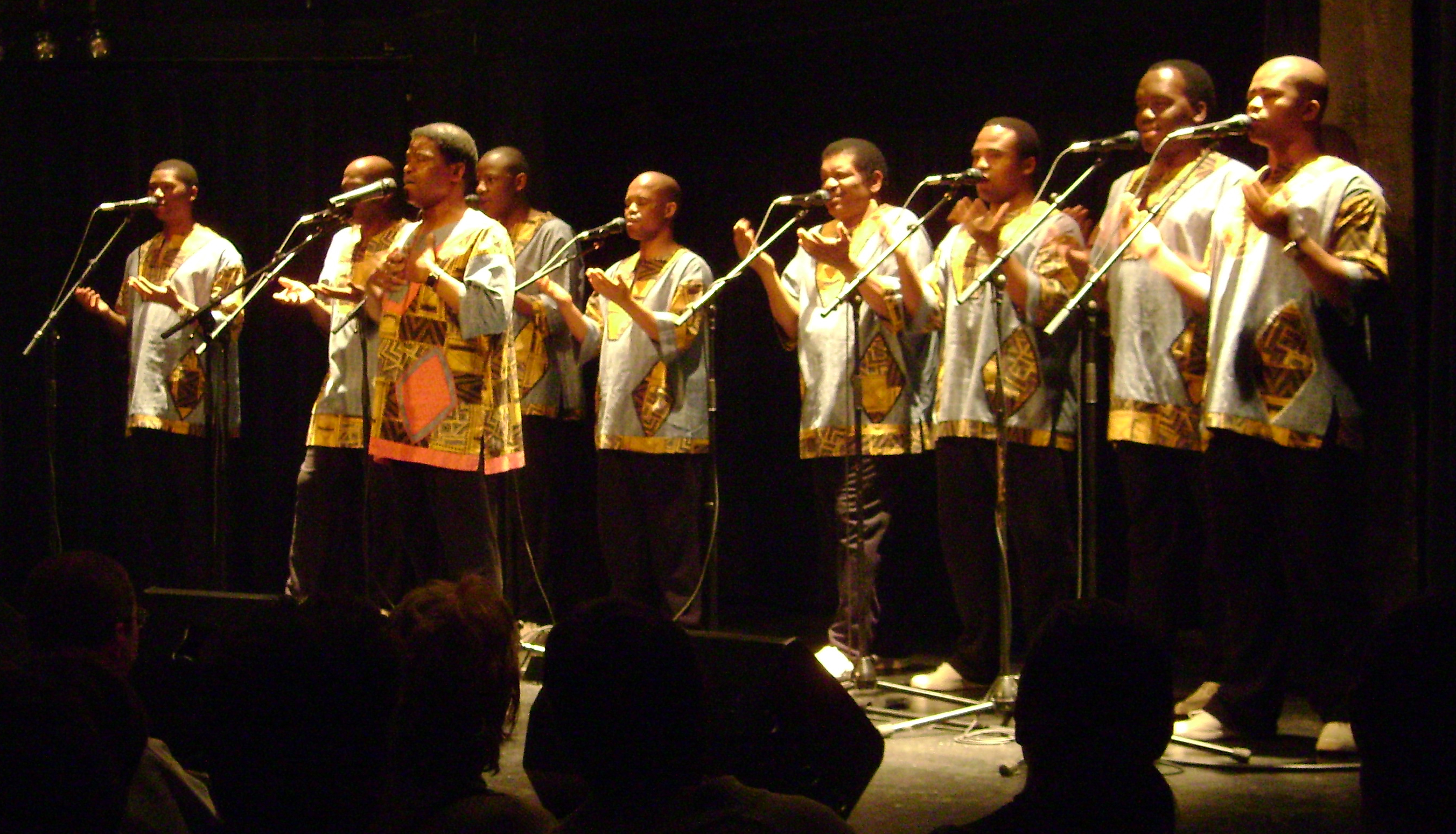
Through colonial conquest, the migrant-labour system and the long injustice of apartheid, Zulu culture held and grew. isiZulu is now an official language with its own television, radio and a vast literature; Ladysmith Black Mambazo carried isicathamiya to global stages and Grammy stages alike; and the annual uMkhosi woMhlanga, the Reed Dance, still gathers thousands. The Zulu king remains a recognised cultural figure, and the praise, the dance and the beadwork continue — firmly in the present tense.
.jpg)
What is kept alive


.jpg)
A long thread
Hear it for yourself
Threads across the graph
Maasai
Fellow cattle-keeping people whose beadwork, like the ucu, encodes age, status and message in colour.
San
Southern African neighbours and the source of the click consonants that entered isiZulu.
Yoruba
Another great African nation whose oral praise and drumming carry history and lineage in performance.
Gnawa
An African tradition where all-night song and rhythm bind a community and call on the unseen.
Common questions
Who are the Zulu?
The Zulu (amaZulu) are the largest cultural nation of South Africa, an Nguni people centred on the province of KwaZulu-Natal. The Zulu kingdom was forged by King Shaka in the early 1800s, and today some twelve million people speak isiZulu as a home language.
What is isicathamiya?
Isicathamiya is a Zulu a-cappella choral style of close, soft male-voice harmony, born among migrant workers in the hostels of South Africa and carried to the world by Ladysmith Black Mambazo. The name means to 'walk softly', from singing quietly so as not to wake the warders.
What is indlamu?
Indlamu is the high-kicking Zulu warrior dance, performed in hide regalia to drum and whistle, with a lifted knee and a heel brought crashing to the earth — a whole line of dancers striking the ground in unison.
What is Zulu beadwork — the 'love-letter'?
Zulu beadwork (ucu) is a language of colour: panels of coloured beads carry messages in their hues — white for love, red for longing, blue for faithfulness — so a beaded 'love-letter' can be read like a sentence by those who know the code.
How can I support Zulu heritage?
Engage with Zulu-led cultural houses, artists and language initiatives, credit makers and performers fairly, and ensure recordings are made with consent so value returns to communities — the principle behind FirstCiv's community-owned Heritage Tablets.
The recordings on this page are openly-licensed reference material, credited to their sources. The Zulu are named as origin; if this heritage is yours, you can claim this page, correct it, or ask for anything to be removed. Photographs: Wikimedia Commons (public domain / CC0 / CC BY / CC BY-SA).