Yoruba
FC–LIV–0023 · 7.5° N, 4.5° E

Yoruba

People of the Talking Drum
Recorded with the consent of community keepers, master drummers and the elders of each town

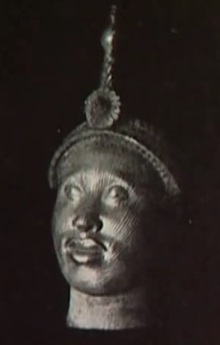
The Yoruba are one of West Africa's largest peoples, settled for more than a thousand years in the forests and savannahs of what is now south-western Nigeria, Benin and Togo. Theirs is a civilisation of cities — Ilé-Ifẹ̀, the spiritual cradle, Ọ̀yọ́, Ìbàdàn, Abẹ́òkúta — each ruled by an ọba beneath a beaded crown. Yorùbá is a tonal language, and on the dùndún talking drum that tonality becomes speech: a master drummer can make the drum recite a proverb or call a person's praise-name across a market square. The world knows them too for the towering Egúngún masquerade that brings the ancestors among the living, for àdìre indigo-dyed cloth, and for the Ife bronze and terracotta heads whose serene naturalism astonished the museums of Europe. FirstCiv holds their living recordings as community-owned Heritage Tablets, with ownership remaining with the people of origin.

574
Tablets minted
88
Field contributors
52,300
$LORE to community
21
Towns recorded
Yoruba
Photographs & media: Wikimedia Commons (CC0 / Public domain / CC BY / CC BY-SA)
People
~45 million
Homeland
SW Nigeria · Benin · Togo · diaspora
Language family
Niger–Congo (Volta–Niger), tonal
Belief
Ifá divination · òrìṣà tradition · Christianity & Islam
Cities of old
Ilé-Ifẹ̀ · Ọ̀yọ́ · Ìbàdàn · Abẹ́òkúta
Famed for
Talking drums · Ife bronzes · àdìre cloth

From Ilé-Ifẹ̀, the cradle of the world

Yoruba tradition holds that creation itself began at Ilé-Ifẹ̀, where the deity Odùduwà let down the first earth upon the waters. History reads it more soberly as a great early city-state that, from around the 11th century, became the spiritual and artistic centre of the Yoruba world — its workshops casting the bronze and terracotta heads, of a naturalism unmatched anywhere in the region, that still bear its name.

From Ilé-Ifẹ̀, the cradle of the world

A civilisation of cities and crowns

The Yoruba built dense, walled towns long before colonial rule, each ruled by an ọba beneath a beaded crown and advised by a council of chiefs. The empire of Ọ̀yọ́ rose to dominate the savannah on the strength of its cavalry; Ìbàdàn and Abẹ́òkúta grew into vast 19th-century powers. Markets, guilds and festivals knitted town to town across a shared language and a shared pantheon.

A civilisation of cities and crowns

A living culture, across an ocean

Carried into the Atlantic slave trade, Yoruba religion and music seeded Santería in Cuba, Candomblé in Brazil and countless rhythms beyond. At home the culture remains vivid — Nollywood films, Afrobeats, Nobel laureate Wọlé Ṣóyínká's drama, and the annual Òṣun-Òṣogbo festival drawing pilgrims to the sacred grove. The drum still talks; the indigo vats still run blue.

A living culture, across an ocean
Ways of life

What is kept alive

Dùndún

Dùndún

Talking drum

The hourglass drum whose tension cords bend its pitch to mimic the tones of Yorùbá, letting it recite proverbs and praise-names aloud.

Egúngún

Egúngún

Masquerade

Towering masqueraders in flaring panels of cloth bring the ancestors among the living in a public festival of memory and respect.

Àdìre

Àdìre

Indigo cloth

Resist-dyed indigo cloth, patterned by tying, stitching or starch-painting, each motif named and meaningful — a craft led by Abẹ́òkúta's women.

Ife casting

Ife casting

Bronze & terracotta

The lost-wax brasses and terracottas of Ilé-Ifẹ̀, whose lifelike royal heads rank among the masterpieces of world art.

The adé

The adé

Beaded crown

The veiled, conical beaded crown that carries the office of the ọba — hiding the wearer's face so the kingship, not the person, is seen.

Gẹ̀lẹ̀dẹ́

Gẹ̀lẹ̀dẹ́

Carved masks

The Gẹ̀lẹ̀dẹ́ tradition, UNESCO-listed, honours the spiritual power of mothers through carved headdresses, song and dance.

Through deep time

A long thread

c. 500 BCE
Nok terracotta tradition flourishes in the wider region
c. 1000 CE
Ilé-Ifẹ̀ rises as spiritual and artistic centre
12th–15th c.
Golden age of Ife bronze and terracotta casting
c. 1600
The Ọ̀yọ́ empire dominates the savannah
1830s
Ìbàdàn and Abẹ́òkúta rise amid 19th-century wars
1843
Samuel Àjàyí Crowther begins standardising written Yorùbá
2025
Live, consented field recordings on FirstCiv
Belief & story

Olódùmarè, the òrìṣà, and Ifá

Above all stands Olódùmarè, the supreme being, too vast to be approached directly. Between the high god and humanity move the òrìṣà — among them Ṣàngó of thunder, Ògún of iron, Ọ̀ṣun of the river and Yemọja of the waters — each with its own praises, colours and drums. Destiny, orí, is chosen before birth, and the elaborate Ifá tradition reads it through a vast oral corpus of verses. FirstCiv records only the public, celebratory face of this world; the sacred divination and initiation rites remain entirely with their keepers.

Voices

Hear it for yourself

Dùndún — the drum that speaks
Song · 3:24
VERIFIED

Dùndún — the drum that speaks

by @ayan.olu · Ọ̀yọ́, Nigeria#0571
Egúngún — the ancestors return
▶ Video · 4:02
VERIFIED

Egúngún — the ancestors return

by @oyo.heritage · Ọ̀yọ́, Nigeria#0556
Mọ́remi and the deliverance of Ifẹ̀
Story · audio · 8:46
VERIFIED

Mọ́remi and the deliverance of Ifẹ̀

by @folktale.ife · Ilé-Ifẹ̀, Nigeria#0491
Woven into the world

Threads across the graph

Gnawa

West-and-North African spiritual music whose all-night trance, like the òrìṣà drums, calls down healing presences.

Visit

Maasai

Fellow African people whose dance, dress and beadwork — like Yoruba cloth and crowns — encode status and lineage.

Visit

San

Among Africa's oldest cultures, holding, as the Yoruba do in story and song, a deep oral inheritance.

Visit
Questions

Common questions

Who are the Yoruba?

The Yoruba are one of West Africa's largest peoples, living chiefly in south-western Nigeria, Benin and Togo, with a vast diaspora across the Americas. They built famous city-states such as Ilé-Ifẹ̀, Ọ̀yọ́ and Ìbàdàn, each ruled by an ọba (king).

What is the Yoruba talking drum?

The dùndún is an hourglass-shaped 'talking drum' whose leather tension cords are squeezed to bend its pitch. Because Yorùbá is a tonal language, a skilled drummer can make the drum reproduce the tones of speech — reciting proverbs, names and praise-poetry.

What is Egúngún?

Egúngún is a Yoruba masquerade in which performers in layered cloth costumes embody returning ancestors during a public festival. FirstCiv documents only the open, celebratory display; the inner sacred rites are not recorded.

What are the Ife heads?

The Ife heads are bronze (brass) and terracotta sculptures cast in the city of Ilé-Ifẹ̀ roughly between the 12th and 15th centuries. Their lifelike naturalism is celebrated as among the finest artistic achievements of pre-colonial Africa.

How can I support Yoruba heritage?

Engage with Yoruba-led cultural organisations, artists and master crafts­people, learn from them directly, credit makers fairly, and never share sacred or restricted material. FirstCiv records Yoruba traditions as consent-first, community-owned Heritage Tablets.

Owned by its keepers

Every recording here is held with community consent. The Yoruba are named as origin and primary beneficiary; royalties flow to the community fund. Photographs & media: Wikimedia Commons (CC0 / Public domain / CC BY / CC BY-SA).