
The people of the eight seasons
The Sámi are the indigenous people of Sápmi, descendants of ancient hunter-gatherers of the European north. From the 1500s many turned to reindeer herding, organising life through the siida — a community that moved with the herds across a calendar of eight seasons rather than four.
Assimilation, and revival
Centuries of missionisation, taxation and forced assimilation pressed hard on Sámi language and faith. The 1979–81 protests against the damming of the Alta river became a turning point; Sámi parliaments followed, and with them a flowering of joik, language and duodji that continues today.
A living culture, now
Joik — once suppressed as sinful — is sung again by artists like Mari Boine; the gákti is worn with pride; and Sámi languages, several endangered, are taught and recorded. The herding life endures in a warming Arctic that makes the snow itself less predictable.
What is kept alive
A long thread
Hear it for yourself


Threads across the graph
Inuit
Arctic neighbours whose katajjaq shares joik's idea of summoning a presence in sound.
Tuvan
Herders of the steppe whose overtone song echoes the joik's relationship to land.
Mongolian
Nomadic long-song stretched, like joik, across a whole horizon.
Common questions
Who are the Sámi?
The Sámi are the Indigenous people of Sápmi, a region spanning northern Norway, Sweden, Finland and Russia's Kola Peninsula. Many are traditionally reindeer-herders.
What is joik?
Joik (luohti) is a Sámi vocal tradition — a song that doesn't describe its subject but evokes it directly: a person, an animal or a place is 'joiked' into presence. It is among Europe's oldest living musical forms.
How many Sámi languages are there?
There are around nine Sámi languages, several severely endangered. Northern Sámi is the most widely spoken, written in a Latin alphabet with letters such as á, č, đ, ŋ, š, ŧ and ž.
What is duodji?
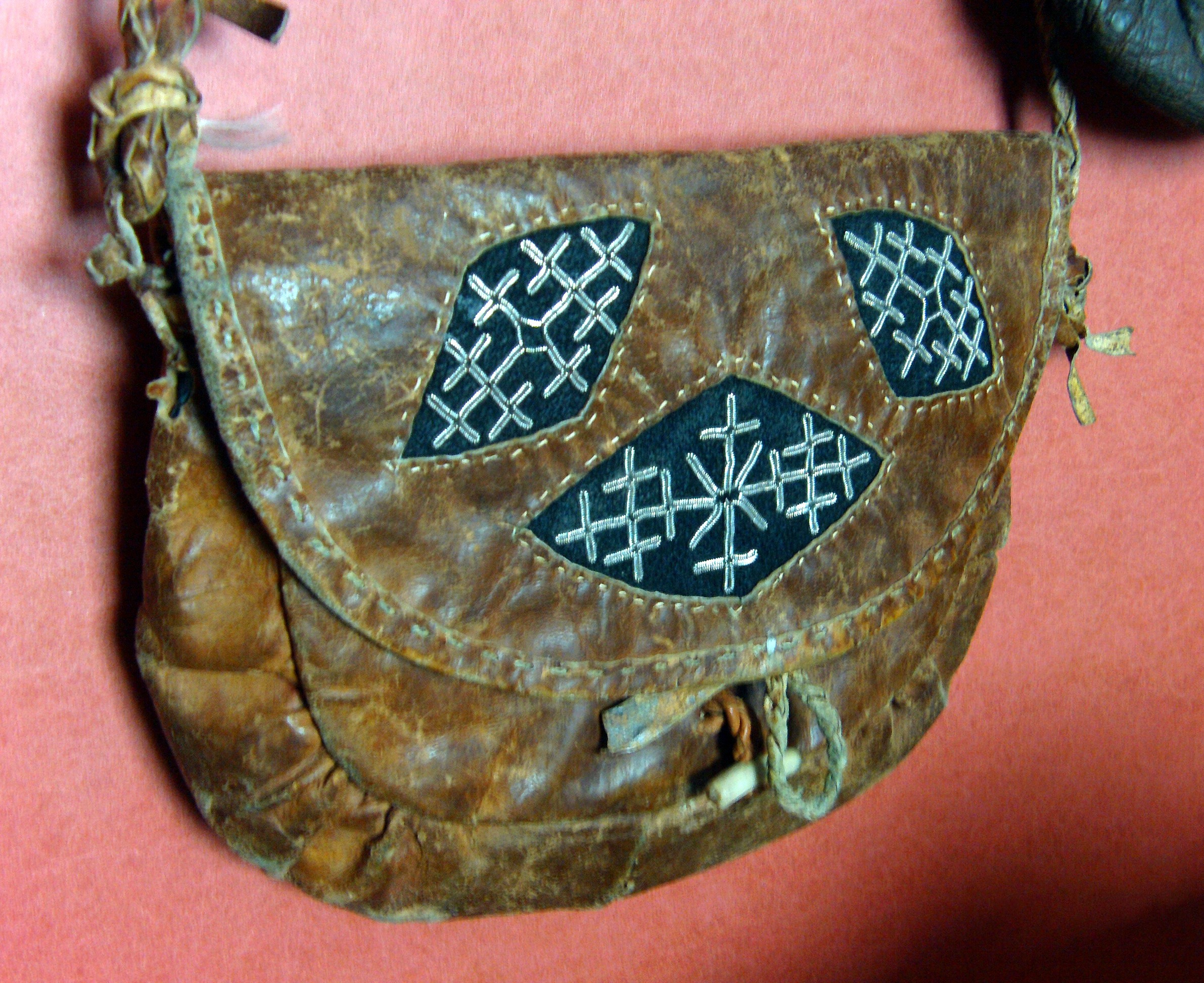
Duodji is Sámi handicraft — functional, beautiful objects made from reindeer antler, bone, wood, leather and root, often richly decorated.
How can I support Sámi culture?
Learn from Sámi institutions and artists, respect that joik and duodji belong to their communities, and support language revitalisation. FirstCiv keeps such recordings community-owned and consent-first.
The recordings on this page are openly-licensed reference material, credited to their sources. The Sámi are named as origin; if this heritage is yours, you can claim this page, correct it, or ask for anything to be removed.