
The great migration by waka
Māori trace their arrival to a fleet of voyaging waka — Tainui, Te Arawa, Mātaatua, Aotea and more — that crossed thousands of kilometres of open Pacific from the homeland of Hawaiki around the 13th century. They navigated by star, swell and seabird, without instruments, and made landfall on the last large habitable land on Earth to be settled by humans. Every iwi still names the waka its ancestors arrived on as the first line of its identity.
_in_Waitangi.jpg)
The carved house and the woven world
On the marae, the wharenui is a body: its ridge-pole the spine, its rafters the ribs, its carved ancestors watching over those gathered within. Whakairo (carving), tukutuku (lattice panels) and kōwhaiwhai (painted scroll patterns) together tell the whakapapa of the people. To enter is to step inside an ancestor — and the koru, the unfurling fern frond, runs through it all as a sign of new life and growth.
.jpg)
Te Tiriti, loss, and revival
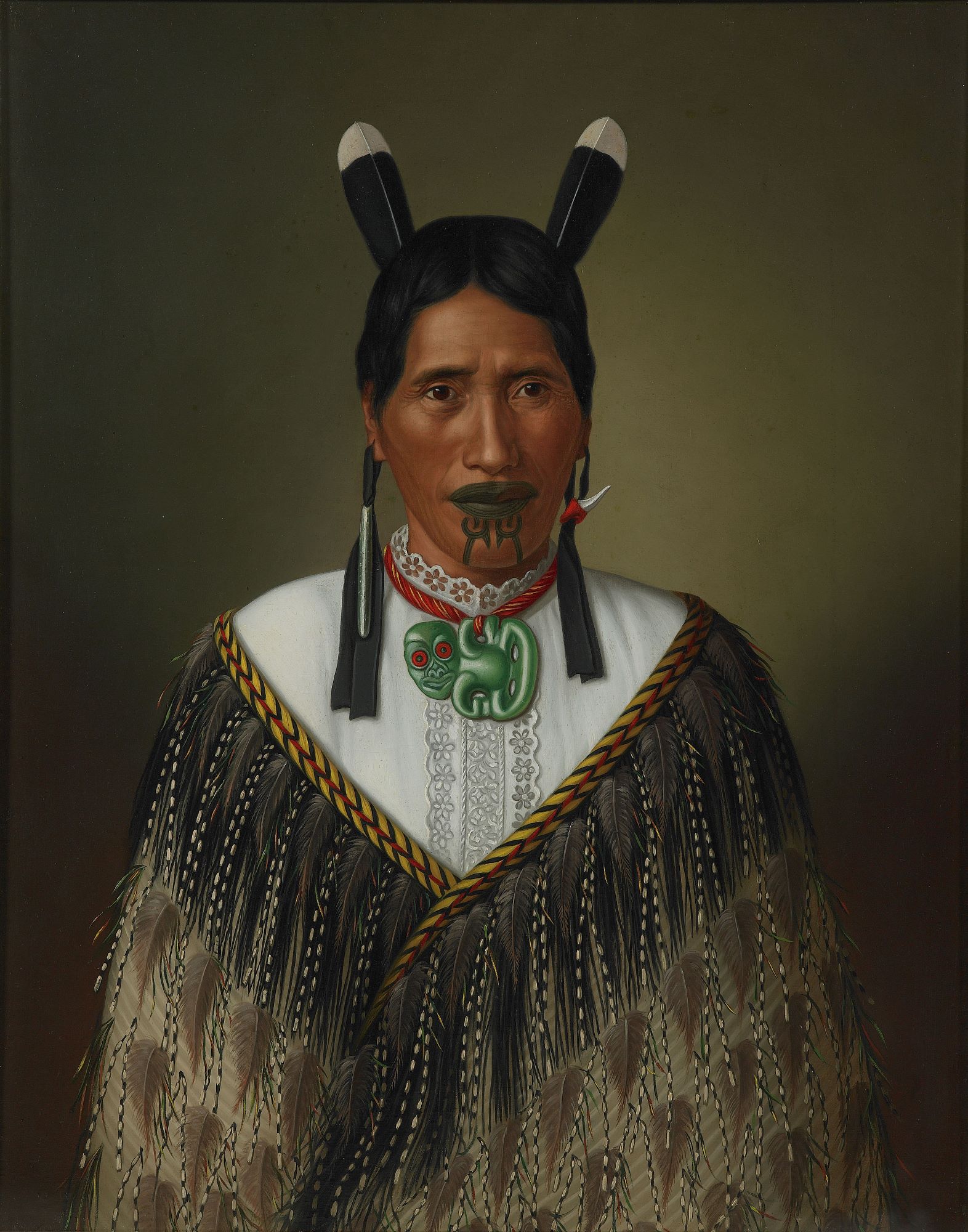
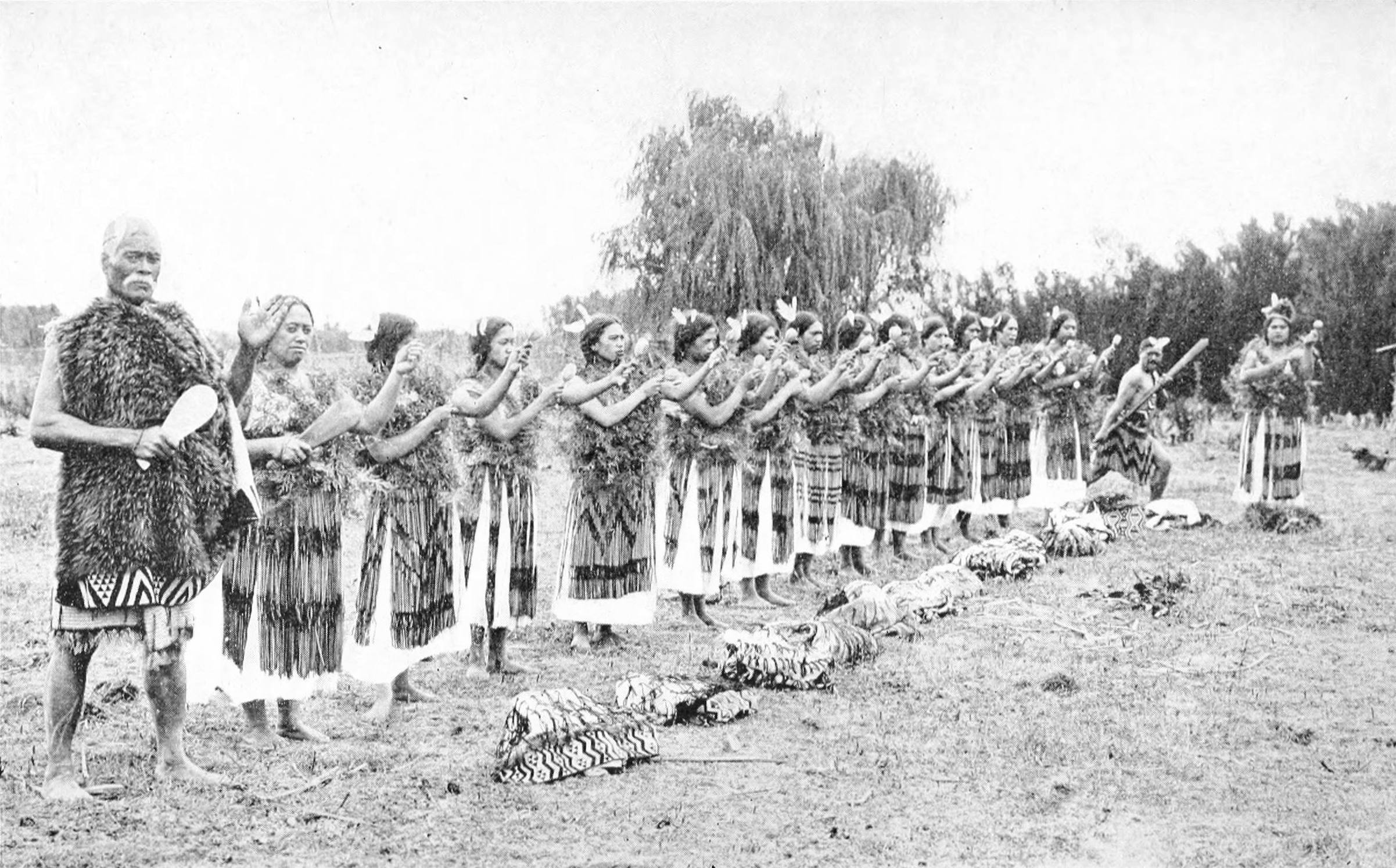
In 1840 over five hundred rangatira signed Te Tiriti o Waitangi with the British Crown — a document whose Māori and English texts still differ, and whose breaches drove a century of land loss and the near-silencing of te reo. The late 20th century turned the tide: the Waitangi Tribunal, kōhanga reo language nests, kapa haka festivals like Te Matatini, and artists from Witi Ihimaera to Stan Walker have carried Māori culture into a confident present.
What is kept alive

.jpg)


A long thread
Hear it for yourself

.jpg)
Threads across the graph
Aboriginal Australians
Across the Tasman, fellow First Peoples whose songlines, like whakapapa, bind story to land and ancestor.
Inuit
Indigenous navigators of a hard frontier whose oral traditions and carving carry the knowledge of survival.
Sámi
A people whose language and song were suppressed and are now revived — a path te reo Māori knows well.
Quechua
Heirs of a great civilisation whose textiles and craft, like whakairo, read as genealogy made visible.
Common questions
Who are the Māori?
Māori are the tangata whenua — the Indigenous people — of Aotearoa New Zealand, descendants of Polynesian voyagers who arrived by waka (canoe) around eight centuries ago.
What is haka?
Haka is a posture dance of challenge, welcome or tribute, performed with stamping, chant, vigorous gesture and pūkana (intense facial expression) — far more than the famous rugby performance.
What is te reo Māori?
Te reo Māori is the Māori language, an Eastern Polynesian language now in determined revival through kōhanga reo (language nests) and kura (immersion schools) after a long colonial decline.
What is whakairo?
Whakairo is Māori carving — in wood, bone and pounamu (greenstone) — recording whakapapa (genealogy) and ancestral stories, especially on the wharenui (meeting house).
How can I support Māori heritage?
Engage with Māori-led organisations and iwi, learn te reo, and respect that taonga (treasures) carry mana and belong to their people. FirstCiv records them as community-owned Heritage Tablets.
The recordings on this page are openly-licensed reference material, credited to their sources. The Māori are named as origin; if this heritage is yours, you can claim this page, correct it, or ask for anything to be removed. Photographs: Wikimedia Commons (public domain / CC) — historic portraits by Gottfried Lindauer.