From the Thule, across the top of the world
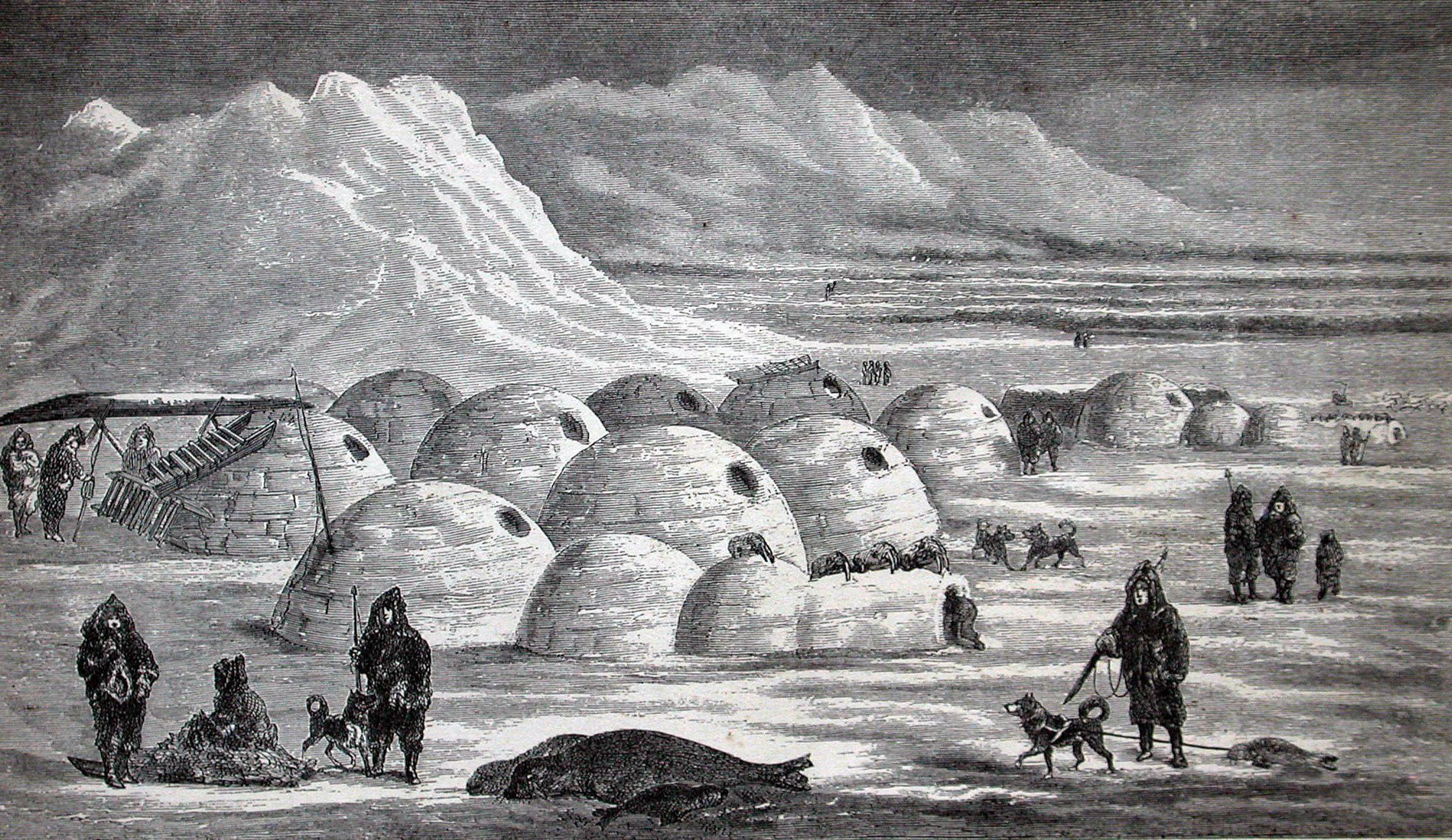
Around a thousand years ago the Thule people spread east from the Bering Strait, following the bowhead whale with dog-sled, umiaq and toggling harpoon. They are the direct ancestors of today's Inuit, and over a few centuries they crossed the entire North American Arctic to Greenland — absorbing or displacing the earlier Dorset (Tuniit) who had lived there for millennia.
.jpg)
Reading the ice
Inuit life is keyed to sea ice and season — the iglu in deep winter, the skin tent in summer, the qajaq and the larger umiaq on open water. Survival rested on an ethic of sharing: a hunter's catch belonged to the camp, and knowledge of weather, current and animal was the most valuable inheritance of all.

A living culture, now
In 1999 Canada created Nunavut, an Inuit-governed territory the size of Western Europe. Inuktut is being taught and revitalised; printmakers like Kenojuak Ashevak, the throat-singer Tanya Tagaq and filmmaker Zacharias Kunuk carry the culture onto world stages. Meanwhile the sea ice that underpins it all is thinning faster than anywhere on Earth.
.jpg)
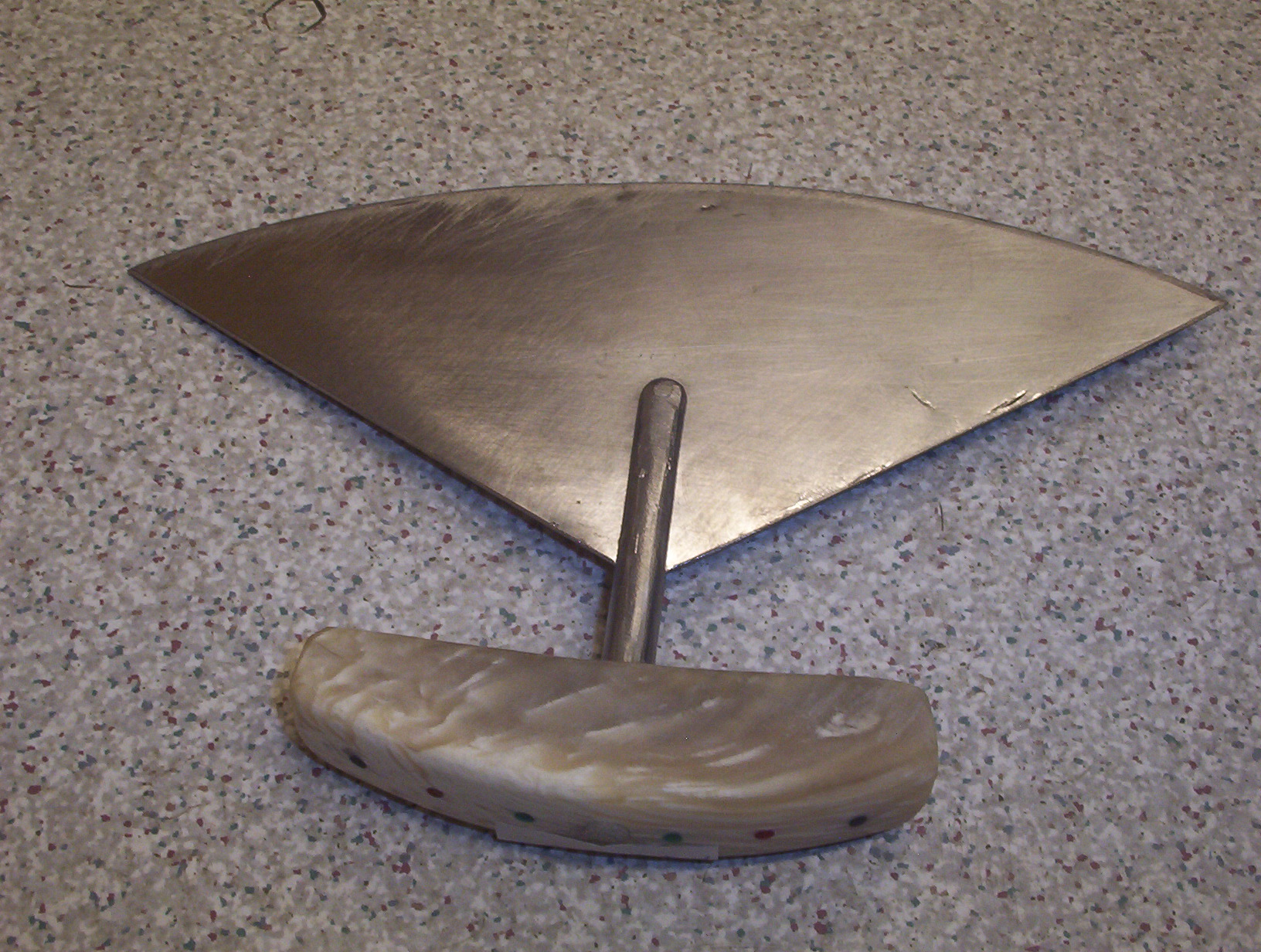
What is kept alive


.jpg)
A long thread
Hear it for yourself
Threads across the graph
Sámi
Arctic neighbours whose joik, like katajjaq, sings a being into the room rather than about it.
Tuvan
Throat-singing kin across the circumpolar and steppe worlds.
Ainu
Northern people whose rekuhkara was a throat-game much like katajjaq.
Common questions
Who are the Inuit?
The Inuit are the Indigenous people of the Arctic, living across Greenland, Arctic Canada (notably Nunavut), Alaska and Chukotka. They descend from the Thule culture and have lived on and read the sea ice for centuries.
What is katajjaq, Inuit throat-singing?
Katajjaq is a vocal game traditionally performed face-to-face by two women, who trade rhythmic, breathy sounds until one laughs or stops — imitating the wind, water, birds and animals of the land.
What language do the Inuit speak?
Inuit speak varieties of Inuktut, a continuum from Iñupiaq in Alaska to Kalaallisut in Greenland. In Nunavut, Inuktitut remains widely spoken and is written in a distinctive syllabics script.
Is Inuit culture endangered?
Inuktitut is comparatively strong in Nunavut but vulnerable elsewhere, and many traditional practices are under pressure. Recording elders' songs, words and skills helps keep them alive.
How can I support Inuit heritage?
Support Inuit-led organisations, learn from Inuit voices directly, and ensure any recording is made with consent and benefits the community — the principle behind FirstCiv's community-owned Heritage Tablets.
The recordings on this page are openly-licensed reference material, credited to their sources. The Inuit are named as origin; if this heritage is yours, you can claim this page, correct it, or ask for anything to be removed. Photographs: Wikimedia Commons (public domain / CC0).