
Across the largest ocean on Earth
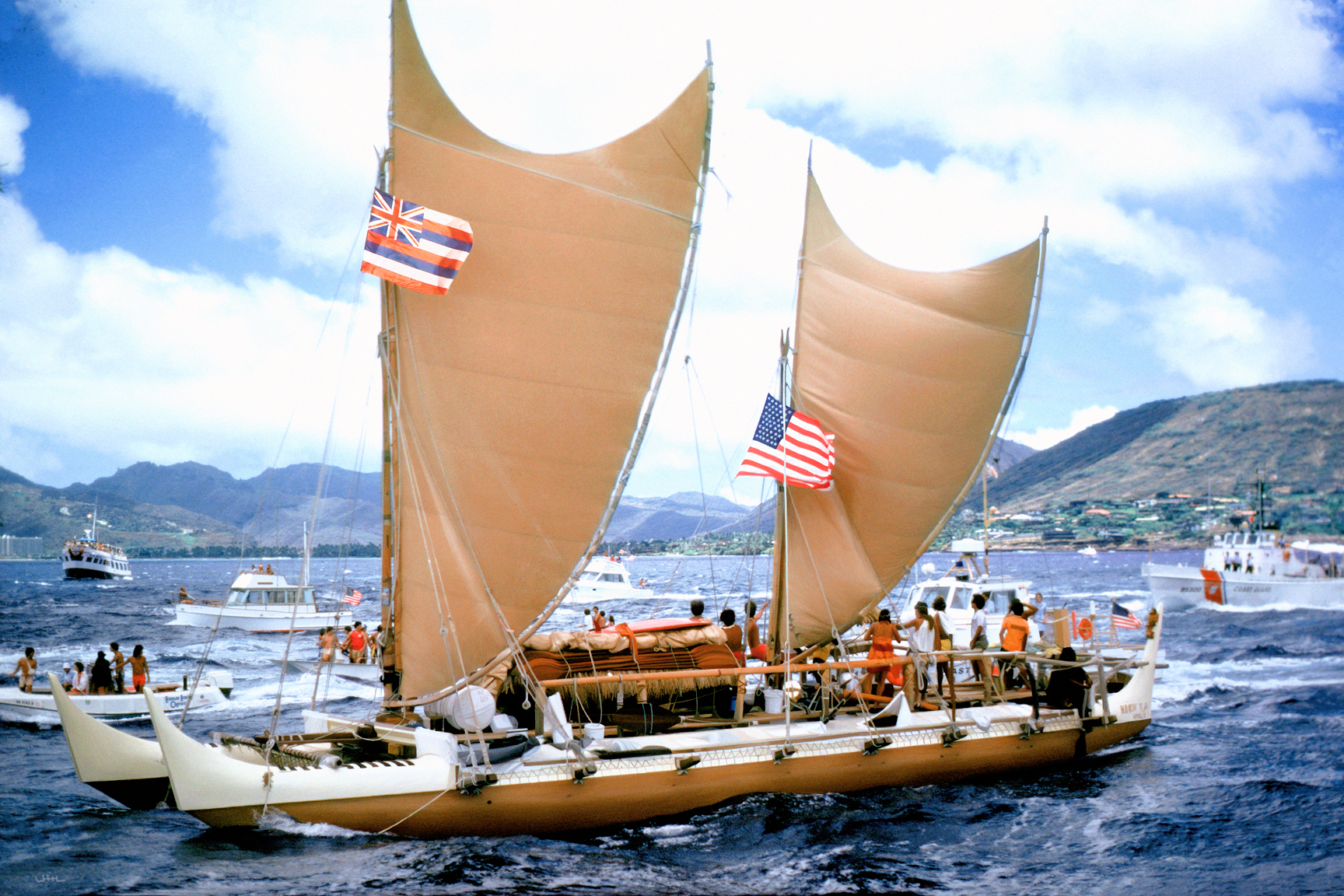
Hawaiʻi was the last great archipelago to be reached by Polynesian voyagers, settled more than a thousand years ago by navigators who sailed double-hulled canoes thousands of kilometres from the central Pacific — without compass, chart or clock. They read the rising and setting of stars, the shape of the swell, the colour of the water and the flight of birds, carrying taro, pigs and the knowledge of a whole world in the hull. In 1976 the canoe Hōkūleʻa sailed Hawaiʻi to Tahiti by these methods alone, reigniting a wayfinding tradition that had nearly been lost.
.jpg)
The land that feeds, divided like a fish
Hawaiians organised each island into ahupuaʻa — wedge-shaped districts running from the mountain ridge to the reef, so that every community held forest, farmland, stream and sea. Irrigated loʻi grew kalo (taro), the elder sibling of the Hawaiian people in the creation chant; fishponds raised fish along the shore. Aloha ʻāina — love of, and responsibility to, the land — was not sentiment but survival, and remains the heart of Hawaiian identity today.

Kingdom, overthrow, and revival
Kamehameha I united the islands into a single kingdom in 1795; by the 19th century Hawaiʻi was a literate, internationally recognised nation with its own newspapers and palace. In 1893 American business interests, backed by US Marines, overthrew Queen Liliʻuokalani — annexation followed, and Hawaiian language and hula were suppressed. The Hawaiian Renaissance of the 1970s turned the tide: Hōkūleʻa sailed, ʻŌlelo Hawaiʻi returned to schools, and hula kahiko was danced again with pride at festivals like the Merrie Monarch.

What is kept alive
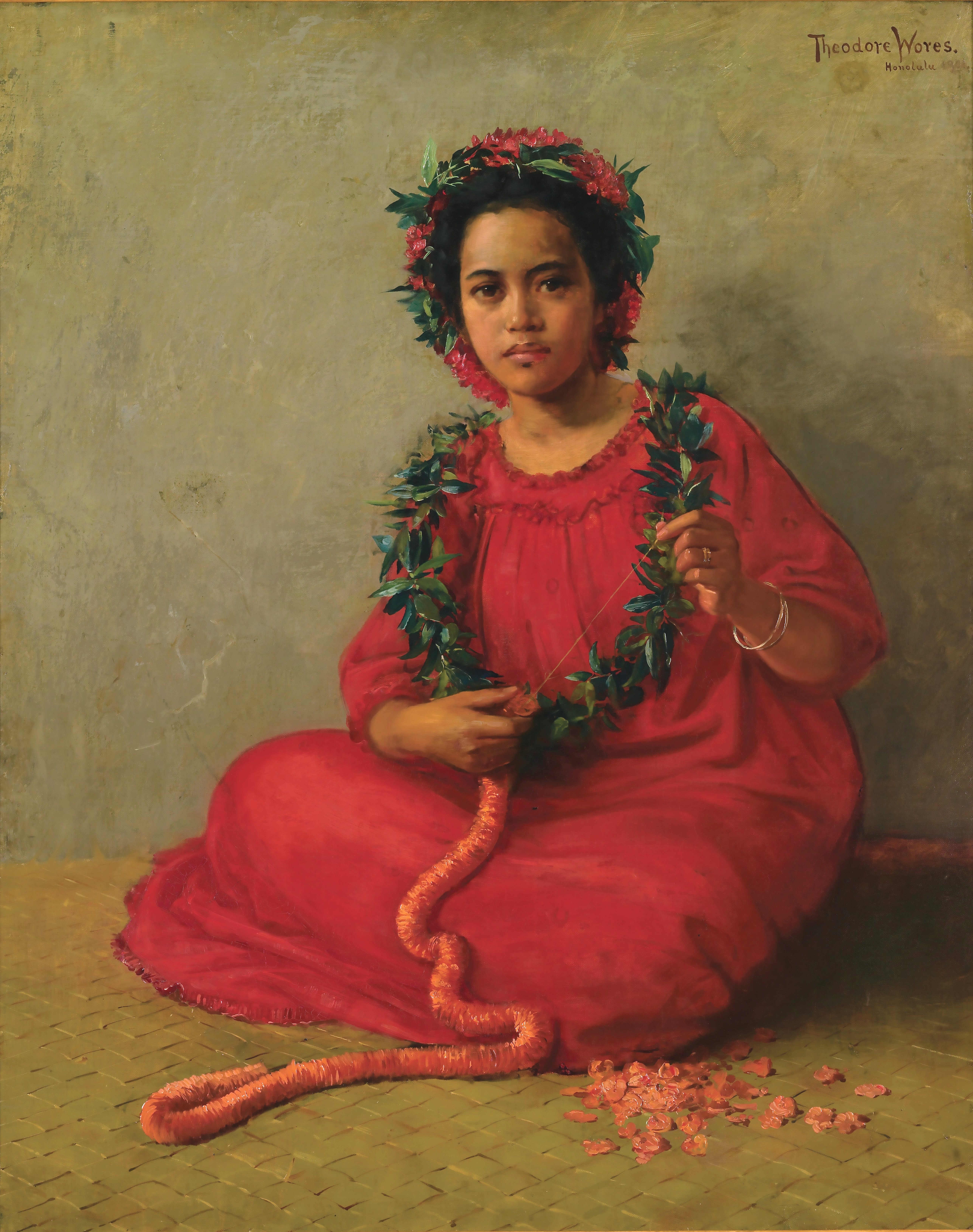
.jpg)
.jpg)



A long thread
Hear it for yourself
Threads across the graph
Māori
Fellow Polynesian voyagers whose haka and waiata, like hula and oli, dance and sing whakapapa into the present.
Aboriginal Australians
Pacific neighbours whose songlines, like the Kumulipo, bind genealogy, land and navigation into one tradition.
Quechua
Heirs of a great civilisation whose textiles and craft, like kapa and featherwork, read as genealogy made visible.
Common questions
Who are the Native Hawaiians (Kānaka Maoli)?
Kānaka Maoli are the Indigenous people of Hawaiʻi, descendants of Polynesian voyagers who settled the archipelago over a thousand years ago. They built a unified kingdom in the 18th century and maintain a living culture of hula, chant, voyaging and the Hawaiian language today.
What is hula?
Hula is the Hawaiian dance tradition that embodies oli (chant) and mele (song) — hula kahiko is the ancient form danced to percussion and chant, while hula ʻauana is the later style accompanied by stringed instruments. Each gesture has meaning, naming winds, rains, places and ancestors.
What is Hawaiian wayfinding, and what is Hōkūleʻa?
Wayfinding is the Polynesian art of navigating the open ocean without instruments, using stars, ocean swells, winds and birds. Hōkūleʻa, a replica double-hulled voyaging canoe launched in 1976, proved these methods still work and sparked a revival of Hawaiian culture and language.
Is the Hawaiian language endangered?
ʻŌlelo Hawaiʻi was nearly lost after it was discouraged in schools from 1896, leaving only a few hundred fluent native speakers by the late 20th century. Hawaiian-immersion schools have since raised a new generation of speakers, and it is now an official language of the State of Hawaiʻi alongside English.
How can I support Hawaiian heritage respectfully?
Learn from Native Hawaiian-led organisations and kumu, respect that knowledge such as oli and hula carries mana and belongs to its lineage, support aloha ʻāina and language revitalisation, and ensure any recording is made with consent — the principle behind FirstCiv's community-owned Heritage Tablets.
The recordings on this page are openly-licensed reference material, credited to their sources. The Native Hawaiian (Kānaka Maoli) are named as origin; if this heritage is yours, you can claim this page, correct it, or ask for anything to be removed. Photographs & media: Wikimedia Commons (public domain / CC0 / CC BY-SA) — historic recordings & portraits, c. 1885–1905.